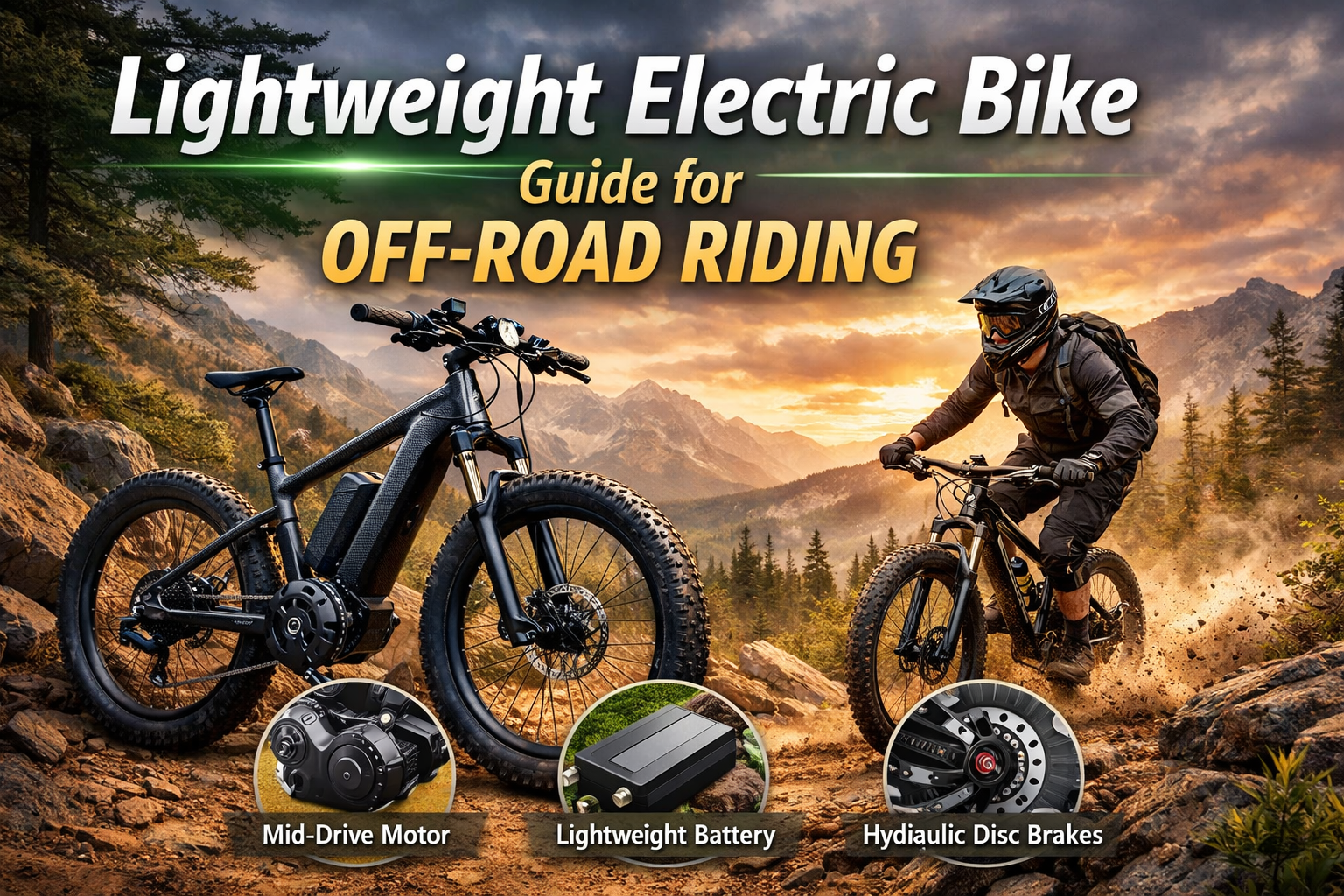
Lightweight Electric Bike Guide for Off-Road Riding
Direct Answer SummaryA lightweight electric bike combines nimble handling with pedal assist to make off-road riding easy. These e-bikes use carbon fiber frames and mid-drive motors to reduce rider fatigue on rugged terrains. They bridge the gap between heavy electric mountain bikes and traditional mountain bikes, offering effortless portability and confident control on technical trails.
Key Takeaways
- Carbon fiber materials reduce bike weight for better trail handling.
- Mid-drive motors offer superior balance and torque on technical trails.
- Hydraulic disc brakes provide confident stopping power on steep hills.
- Lighter e-bikes lower rider fatigue during long outdoor experiences.
Who This Is For
- Trail riders want less physical strain on steep hills.
- Commuters need a versatile bike for city commuting and remote areas.
- Riders who need an electric bicycle light enough for a standard vehicle rack.
The Allure of Lightweight Off-Road E-Bikes
Off-road riding no longer requires maximum physical exertion. A lightweight electric bike changes how riders experience the outdoors. These agile machines offer the thrill of traditional mountain bikes with the added boost of electric torque power.
What Defines a Lightweight Electric Bike?
A true light electric bike focuses on smart engineering. Manufacturers use an aluminum frame or a carbon fiber frame to shed excess weight. These bikes typically weigh under 45 pounds. This lower weight ensures enhanced maneuverability and handling on technical trails. Riders can easily lift these bikes over obstacles or load them onto a vehicle rack.
Reduced Rider Fatigue for Longer Rides
Heavy electric bikes drain your energy quickly if the battery dies. Lighter bikes ride much like traditional road bikes or commuter bikes when the motor is off. This bridging the gap gives you an accessibility advantage. You can explore rugged terrains longer without worrying about pedal assist limitations.
Core Components for Off-Road Performance
Building a nimble explorer requires high-quality parts. Every component must balance durability with weight savings.
Frame Materials: The Foundation of Lightness
The frame dictates the overall ride quality. An aluminum frame offers great durability at a lower cost. However, a Lightweight Carbon Ride provides the best stiffness-to-weight ratio. Carbon fiber absorbs trail vibrations better, making your outdoor experience much smoother. Some models even feature a step-through frame for easy mounting.
Motor Power and Drive Systems
You need reliable motor power to conquer steep hills. Many riders choose a 750W motor for robust trail-shredding technology. Mid-drive motors sit low in the frame to improve the bike’s center of gravity. This mid-drive performance beats traditional hub motors when navigating tricky terrain. High-torque engineering tech ensures you have the push you need right when you pedal.
Battery Technology and Range
A long-lasting battery is essential for exploring remote areas. Modern e-bikes use lithium batteries with smart power management. A 16Ah battery provides excellent miles per charge. Many models feature removable batteries for easy indoor charging. You can even find a solar charging option for extended camping trips.
Tires and Suspension Systems
Traction keeps you safe on loose dirt. Fat tires and knobby tires grip the trail firmly. To absorb bumps, look for full suspension systems or at least a quality suspension fork. A suspension seat post also adds comfort for long days in the saddle.
Braking Systems for Confident Control
Off-road riding demands serious stopping power. Hydraulic brakes respond instantly to your touch. Components like the Tektro HD-E3940 4-Piston Hydraulic Brake or the Hydraulic Disc BrakeTEKTRO HD-E350 keep you safe on steep descents.
Choosing Your Ideal E-Bike
Finding the right bike means matching the specs to your terrain.
Key Features to Look For
Modern smart e-bikes come packed with utility. Look for futuristic dot-matrix displays to monitor your speed and battery life. LED lights keep you visible during evening rides. Waterproof protection ensures your bike survives muddy puddles and rain. A Gates carbon belt drive paired with an internal gear hub offers a maintenance-free transmission.
Brands Leading the Charge
Several brands dominate the light electric bike space. Urtopia Carbon Joy Ultra and Urtopia Carbon Fold ST offer premium carbon fiber builds. The Ride1Up Roadster V3 ST and Aventon Solterra ADV provide excellent value for mixed riding. If you need more rugged capabilities, the Mokwheel Flint Pro delivers strong off-road performance. Rad Power Bikes remains a staple for reliable, versatile options.
Lightweight E-Bikes vs Traditional Mountain Bikes
How do these modern machines stack up against standard mountain bikes?
Comparison Table
| Feature | Lightweight E-Bike | Traditional Mountain Bike | Heavy Electric Mountain Bike |
| Weight | 35 to 45 lbs | 25 to 35 lbs | 55 to 75 lbs |
| Pedal Effort | Low to Medium | High | Very Low |
| Portability | Easy to lift | Very easy to lift | Difficult to lift |
| Trail Speed | High | Medium | Very High |
| Maintenance | Moderate | Low | High |
Pros and Cons
Pros
- Easier climbs with pedal assist and torque sensor technology.
- Lightweight design improves handling on tight trails.
- Easier to transport on a standard vehicle rack.
- Excellent crossover for urban commutes.
Cons
- Higher initial cost due to carbon fiber materials.
- Smaller batteries mean slightly less range than heavy e-bikes.
- Requires regular charging and electrical maintenance.
Common Mistakes to Avoid
Many new riders buy bikes with massive 1000w premium motors and dual battery systems. These additions make the bike incredibly heavy. A heavy bike ruins the nimble handling needed for easy off-road riding. Another mistake is ignoring the payload capacities. Always check the effective load limit before packing heavy gear. Finally, verify trail legality. Make sure your local trails allow a Class 2 Ebike before you buy.
Frequently Asked Questions
Are lightweight e-bikes good for steep hills?
Yes. Mid-drive motors provide excellent electric torque power to climb steep hills with minimal rider effort.
How much does a light electric bike weigh?
Most light e-bikes weigh between 35 and 45 pounds. They use an aluminum frame or carbon fiber to reduce bulk.
Can I ride an e-bike on regular mountain bike trails?
It depends on local laws. Many trails allow Class 1 e-bikes, but restrict throttle-only or high-speed electric bicycles.
Are hydraulic disc brakes necessary for e-bikes?
Yes. The extra speed and weight of e-bikes require the strong, reliable stopping power that hydraulic brakes provide.
How far can I ride on a single charge?
A standard lithium battery offers 30 to 50 miles per charge. Terrain, rider weight, and pedal assist levels affect this range.
Start Your Easy Off-Road Adventure
Trail riding brings incredible joy when you remove the physical struggle of steep climbs. A lightweight electric bike provides the perfect balance of power, agility, and portability. By choosing a bike with a responsive torque sensor, quality suspension, and a reliable mid-drive motor, you guarantee a better outdoor experience. Assess your local trails, test a few models, and get ready to expand your riding horizons.